

Introduction
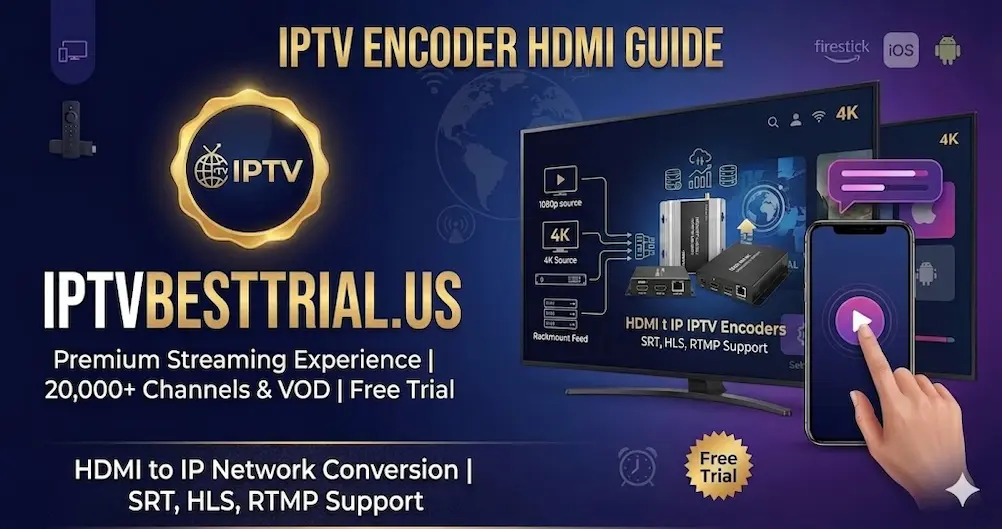
As the iptv encoder hdmi demand for high-definition, independent video broadcasting grows, traditional streaming methods are quickly being upgraded. Whether you are running a private hospitality network, managing a local digital signage array, or setting up a personal headend satellite server station, broadcasting raw video requires specialized hardware. Learning how to select and deploy the best iptv encoder hdmi device is the secret to converting high-definition video feeds into ultra-low-latency network streams. Because these hardware units interface directly with local network protocols, finding a reliable device ensures your streaming infrastructure remains stable under continuous workloads. In this comprehensive hardware guide, we will break down the top HDMI IPTV hardware components available this year and review their unique deployment specifications.
Key Technical Specifications to Consider
Before buying an iptv encoder hdmi hardware unit, you must evaluate the processing chipsets and protocol distribution matrices. Unlike software encoders, physical hardware units process high-definition feeds natively, which drastically reduces computer central processing unit (CPU) overhead.
1. Compression Standards: H.264 vs H.265 (HEVC)
Modern streaming demands high compression without losing optical clarity. Older H.264 hardware encoders are universally compatible with legacy media players, but they require high network bandwidth. Upgrading to a newer H.265 (High-Efficiency Video Coding) hardware framework allows you to stream identical 1080p or 4K streams iptv encoder hdmi at almost half the network bit-rate capacity.
2. Supported Streaming Protocols
A professional streaming layout requires versatility. Ensure your physical hardware unit supports the following iptv encoder hdmi essential internet distribution protocols:
- SRT (Secure Reliable Transport): The modern industry benchmark for ultra-low latency over unstable open-network channels.
- HLS (HTTP Live Streaming): Essential for adaptive bitrate streaming directly to mobile smartphones and standard web browsers.
- RTMP / RTSP: Critical for routing raw multi-media signals directly to internet media platforms or internal multi-casting network interfaces.
Top HDMI IPTV Hardware Encoders Reviewed
Depending on your distribution scale iptv encoder hdmi , you can choose between portable standalone devices or high-capacity multi-channel rackmount infrastructures.
Standalone Single-Channel Encoders (Best for Budget & Small Setups)
For small environments, compact single-channel units are the ideal choice. Brands like JTech Digital and UrayTech offer reliable single-port hardware devices. These components feature an HDMI loop-out function, allowing you to monitor the source input video signal locally on a television screen while simultaneously distributing the digital video format onto your local area network (LAN).
Multi-Channel Rackmount Encoders (Best for Large Scale Operations)
If you need to distribute multiple satellite receivers or digital TV boxes simultaneously over your server infrastructure, a single-channel box will cause congestion. In this scenario, professional multi-channel rackmount arrays (such as 4-channel, 8-channel, or 16-channel blades) are necessary. These advanced frameworks house independent processing chips inside a single cooling chassis, ensuring 24/7 continuous uptimes without thermal throttling.
How to Connect and Configure an HDMI IPTV Encoder
Setting up your iptv encoder hdmi unit is straightforward once you configure the local interface dashboard panel correctly.
- Step 1: Plug your primary video feed source (Satellite box, PC, or Media box) into the physical HDMI input port of the encoder device.
- Step 2: Connect a standard RJ45 Ethernet cable from the encoder’s LAN interface port directly into your local network router or network switch.
- Step 3: Open a local web browser on your computer and type the default factory IP address printed on the bottom label of your encoder hardware unit to enter the administrator management dashboard panel.
- Step 4: Navigate to the Main Stream sub-panel settings, choose your preferred compression layout format (H.265 recommended), and configure your output protocol pathway URL.
- Step 5: Copy the generated network address link (such as the RTSP or SRT network link) and paste it into your preferred media application player to launch your transmission stream.
Maintenance and Optimization Tips for 24/7 Streaming
To keep your professional streaming hardware running smoothly under consistent daily loads, apply these structural optimization practices:
- Isolate Network Traffic: Streaming high-bitrate video feeds can choke standard office internet traffic. Set up a dedicated Virtual Local Area Network (VLAN) inside your network switch strictly for encoder traffic.
- Provide Proper Air Circulation: Physical hardware units generate intense internal heat during live rendering operations. Never stack multiple standalone boxes directly on top of each other without open ventilation gaps.
- Keep Firmware Updated: Manufacturers regularly release critical firmware patches to patch code bugs and improve protocol stability. Check the official brand download catalogs quarterly to optimize device performance.
Conclusion
Investing in a dedicated iptv encoder hdmi unit bridges the gap between hardware video feeds and modern network distribution layouts. By selecting a device that features H.265 processing standards and versatile SRT protocol connectivity, you ensure high-fidelity signal performance with zero latency bottlenecks. Match your deployment scale carefully against standard single-port or professional multi-channel rack designs to create a reliable hardware layout that delivers clean streams day in and day out.
